Vicovu de Jos 727605
Bucovina
Romania
email: This email address is being protected from spambots. You need JavaScript enabled to view it.
tel: +40 745 428 282 +40 773 367 232
SUCEAVA AIRPORT (SCV) – VICOVU DE JOS 62 Km.
CERNĂUŢI AIRPORT (CWC) – VICOVU DE JOS 78 Km.
IAŞI AIRPORT (IAS) – VICOVU DE JOS 203 Km.
BACĂU AIRPORT (BCM) – VICOVU DE JOS 207 Km.
TÂRGU MUREŞ AIRPORT (TGM) – VICOVU DE JOS 289 Km.
CLUJ NAPOCA AIRPORT (CLJ) – VICOVU DE JOS 297 Km.
BAIA MARE AIRPORT (BAY) – VICOVU DE JOS 346 Km.
SATU MARE AIRPORT (SUJ) – VICOVU DE JOS 393 Km.
SIBIU AIRPORT (SBZ) – VICOVU DE JOS 404 Km.
ORADEA AIRPORT (OMR) – VICOVU DE JOS 462 Km.
TULCEA AIRPORT (TCE) – VICOVU DE JOS 481 Km.
BUCUREŞTI AIRPORT (OTP) – VICOVU DE JOS 486 Km.
CONSTANŢA AIRPORT (CND) – VICOVU DE JOS 544 Km.
ARAD AIRPORT (ARW) – VICOVU DE JOS 577 Km.
TIMIŞOARA AIRPORT (TSR) – VICOVU DE JOS 613 Km.
CRAIOVA AIRPORT (CRA) – VICOVU DE JOS 643 Km
Under construction ...
Under construction ...
Under construction ...

Under construction...
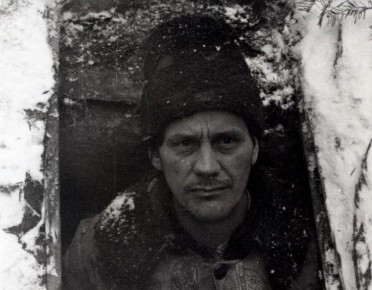
MOTRESCU VASILE – 1920 - 1958 – a hero peasant, a poet peasant, the
only romanian anti-communist fighter to keep a diary, the last free fighter
of Bucovina. He never betrayed his fellow fighters and kept his dignity to
his very last second.
For as long as he has lived, he has considered himself as the administrator of the
will of Vaivode Ştefan cel Mare: «And if you shall fall to your enemy by
shameful treason, then you’d rather die by your enemy’s sword than
witness the oppression and fall of your own country, as the God of your
forefathers will have mercy in the tears of His servants and will rise in
revolt one of your kin to liberate your progenies to the freedom they once
enjoyed. » These are the words by which I, fighter Vasile Motrescu, swear to
uphold to my very last breath.He was eventually betrayed and captured, and shot
by the execution squad of the communist – Bolshevik secret police in Botoşani, on
the 29th of July 1958.
MOTRESCU VASILE – 1920 - 1958 – ţăranul erou, ţăranul poet, singurul
partizan anticomunist român de la care a rămas un jurnal, ultimul partizan
din Bucovina. Nu şi-a trădat niciodată camarazii, păstrându-şi demnitatea
pănă în ultimul ceas al vieţii.
A considerat atât timp cât a trăit că are obligaţia de a fi executorul testamentar al
Voievodului Ştefan cel Mare: « Iar dacă vrăjmaşul vostru vor strâmtora prin
ruşinoase închinări, atunci mai bine muriţi prin paloşul lui decât să fiţi
privitori împilării şi ticăloşirii ţării voastre, că Dumnezeul părinţilor voştri
se va îndura de lacrimile slugilor sale şi va scula dintre voi pe cineva care
va pune pe urmaşii voştri în libertate pe puterea de mai înainte. » Aceste
cuvinte jur eu, partizanul Vasile Motrescu, că le voi ţine până la cea din urmă suflare
de viaţă.A fost capturat prin trădare şi executat prin împuşcare de securitatea
comunist-bolşevică la Botoşani în 29 Iulie 1958.
MOTRESCU VASILE - 1920 - 1958 - der Bauernheld, der Bauerndichter,
der einzige rumänische antikommunistische Partisan, von dem ein
Tagebuch übrig geblieben ist, der letzte Partisan aus der Bukowina. Er
hat seine Kameraden nie verraten und seine Würde bis zur letzten
Stunde seines Lebens bewahrt.
Er dachte, solange er lebte, dass er verpflichtet war, den Willen des Woiwoden
Stephan des Großen umzusetzen: «Und wenn euer Feind euch durch
schändliche Rückzüge unter Druck setzt, sollt ihr besser durch sein
Schwert sterben, als Zeugen der Unterdrückungen und der
Abscheulichkeiten gegen ihr Land zu sein. Der Gott eurer Väter wird
sich der Tränen seiner Diener erbarmen und unter euch jemanden
erwecken, der deine Nachkommen von der Macht der Vergangenheit
befreit. » Ich, Partisan Vasile Motrescu, schwöre, dass ich diese Worte bis zum
letzten Atemzug des Lebens halten werde.Er wurde durch Verrat gefangen
genommen und am 29. Juli 1958 vom kommunistisch-bolschewistischen
Sicherheitsdienst in Botosani erschossen.
MOTRESCU VASILE – 1920 - 1958 – le paysan héro, le paysan poète, l’unique
partisan anticommuniste roumain qui a laissé un journal, le dernier partisan de Bucovine.
Il n’a jamais trahi ses camarades et il a préservé sa dignité jusqu’au dernier moment de sa vie.
Il a cru, pendant sa vie entière, qu’il a l’obligation d’être l’exécuteur testamentaire
du voïvode: « Et si notre ennemi vous affligera par une soumission honteuse,
il vaudra mieux que vous mourriez de son épée, que voir votre pays opprimée et moquée,
car le Dieu de vos parents aura pitié des larmes de ses serviteurs
et éveillera quelqu’un de vous pour rendre vos descendants libres en utilisant le pouvoir
d’avant. »
Ces mots, je, le partisan Vasile Motrescu, jure de les respecter jusqu’à la fin de ma vie.
Il a été capturé après être trahi et exécuté par tir par la sécurité
communiste-bolchevique à Botoşani, le 29.08.1958.
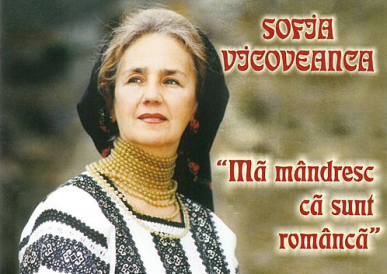
SOFIA VICOVEANCA – Our Lady of Bucovina Folk Song. With a career
spanning more than 60 years, she has taken the name of her beloved
village around the world.
Apart from the hundreds of folk songs (songs, doina, ballads, laments, curses, carols
and winter customs, Easter songs), the artist also published four volumes of poems
and prose – some of these being illustrated with pencil drawings, and she has also
starred in Romanian movies, as she displayed real acting talent. She built an
ethnography museum in her native Vicovu de Jos, with an exhibition of folk clothing
and folk-art items. The inside of the museum is decorated with the usual items
found in a peasant household: hope chest, dish cabinet, wall carpets, religious
paintings, clothes, baby cradle, and her very own traditional folk costumes. She
visits home (the ethnography museum) as often as she can.
SOFIA VICOVEANCA – Doamna Cântecului Popular Bucovinean. În cei peste
60 de ani de carieră artistică a purtat numele satului său drag în jurul
lumii.
În afara sutelor de piese muzicale(cântece, doine, balade, bocete, blesteme, colinde
şi obiceiuri de iarnă, colinde pascale), artista a publicat patru volume de versuri şi
proză – unele dintre ele fiind ilustrate cu desene în creion şi a jucat în câteva filme
româneşti, dovedind un real talent actoricesc. A construit în Vicovu de Jos un muzeu
etnografic cuprinzând o expoziţie de costume ţărăneşti şi obiecte de artă populară.
Interiorul casei a fost decorat cu lucrurile proprii unui interior de casă țărănească:
ladă de zestre, blidar (dulap cu blide), covoare pe perete, icoane, ștergare, legănuț
pentru copil și costumele populare purtate de ea.
Vine acasă(muzeul etnografic) de câte ori e posibil.
SOFIA VICOVEANCA - Lady des Volksliedes aus Bukowina. In ihrer
mehr als 60-jährigen künstlerischen Karriere machte sie den Namen
ihres geliebten Dorfes weltweit bekannt.
Neben Hunderten von Musikstücken (Lieder, Doinas, Balladen, Wehlieder,
Flüche, Weihnachtslieder und Winterbräuche, Osterlieder) veröffentlichte die
Künstlerin vier Bände mit Gedichten und Prosa, von denen einige mit
Bleistiftzeichnungen illustriert sind, wobei sie auch in mehreren rumänischen
Filmen spielte, wodurch sie ihr echtes schauspielerisches Talent unter Beweis
stellte. Sie baute ein ethnographisches Museum in Vicovu de Jos, einschließlich
einer Ausstellung mit Bauernkostümen und Volkskunstobjekten. Das Innere des
Hauses war mit den Gegenständen eines Bauernhauses dekoriert:
Brautausstattungskiste, Blidar (Schrank mit Näpfen), Wandteppiche, Ikonen,
Handtücher, Babyschaukel und von ihr getragene Volkstrachten.
Sie kommt wann immer möglich nach Hause (das ethnografische Museum).
SOFIA VICOVEANCA – Madame du Chanson Populaire de Bucovine.
Pendant ses plus de 60 ans de carrière artistique,
elle a amené le nom de son village bien-aimé autour du monde.
A part des centaines de pièces musicales (chansons, chansons « doine », ballades,
lamentations, malédictions, chants de Noël et coutumes hivernales, chants de Pâques),
l’artiste a publié quatre volumes de verses et prose – quelques-unes de ces volumes
étant illustrées avec des dessins en crayon, et aussi el a joué dans quelques
films roumains, ayant un réel talent d’actrice. Elle a bâti en Vicovu de Jos
un musée ethnographique comprenant une exposition de costumes
des paysans et d’objets d’art folklorique. L’intérieur de la maison a été décoré avec
des objets propres à l’intérieur d’une maison de paysan :
boîte de dot, « blidar » (placard avec des assiettes), des tapis sur les murs, icônes,
serviettes, balançoire pour un enfant et des costumes populaires qu’elle a utilisé.
Elle revient chez elle (le musée ethnographique) chaque fois possible.
BINE ATI VENIT IN CENTRUL TURISTIC VICOVU DE JOS BUCOVINA
WILLKOMMEN IM TOURISTENZENTRUM VICOVU DE JOS BUKOWINA
WELCOME IN VICOVU DE JOS BUKOVINA TOURISM CENTER
